Now Reading: How to Apply Lessons Learned from Past Projects to Future Success
-
01
How to Apply Lessons Learned from Past Projects to Future Success

How to Apply Lessons Learned from Past Projects to Future Success
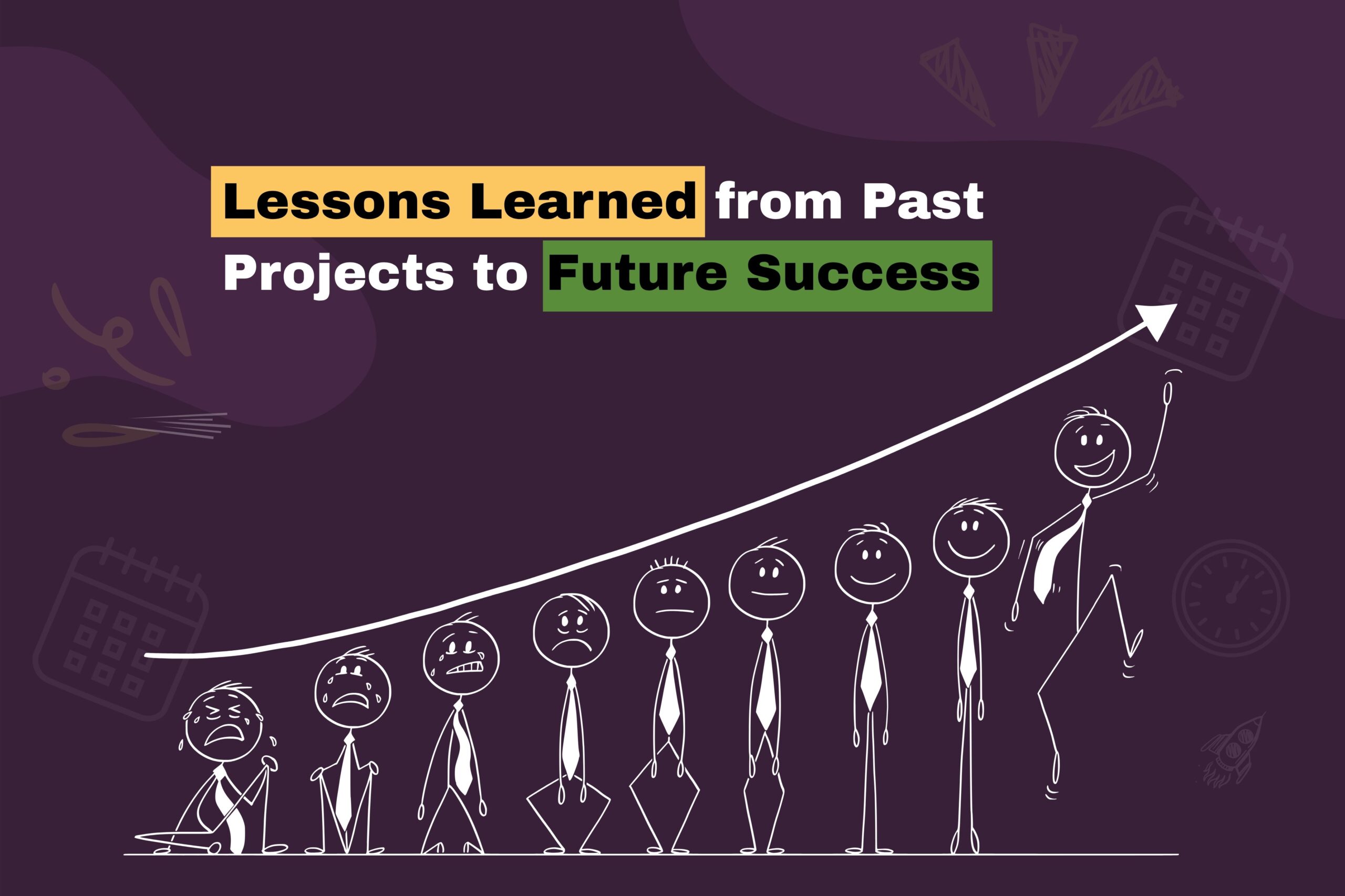
Don’t just close projects, learn from them.
Every completed project holds something valuable: what worked, what didn’t, and what shouldn’t be repeated. But too often, these lessons are buried in final reports that no one reads or worse, never documented at all.
If you are not actively applying lessons learned, you are choosing to repeat avoidable mistakes.
This blog shows how to capture, refine, and apply past project insights so that each new project starts smarter than the last, not from scratch.
1. Make Lessons Learned a Priority, Never Ignore
Many teams skip post-project reflection in the rush and move to the next project. That is a huge missed opportunity.
What to do:
- Schedule a structured lessons learned session during the closing phase
- Involve cross-functional team members and stakeholders
- Discuss what went well, what could be improved, and why certain decisions worked (or didn’t)
Example:
A digital agency made lessons and learned a required agenda item in every closeout report. Within three projects, they identified a recurring delay in client feedback loops and built in formal review checkpoints for the next campaign.
2. Document Learnings Clearly and Accessibly
Even great insights are useless if they are hard to find later.
What to do:
- Use a simple lessons learned template (include category, description, impact, resolution, recommendation).
- Tag lessons by project type, department, or risk area.
- Store in a shared, searchable repository not someone’s inbox.
Example:
A PMO created a “Lessons Library” in Confluence with filters by project size and department. During kickoff for a new CRM implementation, they quickly pulled up related lessons from a past Salesforce project, avoiding known vendor pitfalls.
3. Turn Lessons Into Actionable Recommendations
Avoid vague statements like “Communication could have been better.”
What does better mean? What would you do differently?
What to do:
- Translate observations into specific, reusable recommendations
- Link each recommendation to a checklist item, SOP, or training update
Example:
A construction project logged repeated delays due to unclear subcontractor handoffs. They created a standardized handoff checklist and rolled it out as a requirement in all future bids.
4. Integrate Learnings Into New Project Planning
Apply what you have learned while planning the next project not halfway through it.
What to do:
- During kickoff or risk planning, review lessons learned from similar past projects
- Include key learnings in your project charter, communication plan, and WBS
Example:
A healthcare PM team used a risk matrix informed by lessons from a previous EHR rollout. Knowing integration delays were likely, they built in vendor buffer time and launched 3 weeks earlier than expected.
5. Create a Culture That Values Reflection
Lessons learned are not just about documents, they are about team maturity.
What to do:
- Celebrate when a past lesson helps solve a current challenge
- Make post-project retrospectives psychological-safe, not blame sessions
- Encourage teams to share not only failures, but smart adaptations
Example:
One product team runs a “What Did We Learn?” slide in their town hall every quarter not just what went wrong, but smart pivots and process wins. This keeps learning visible, positive, and continuous.
If you want your team or organization to evolve, you have to treat each project as a source of strategic intelligence, not just delivery.
Capturing lessons is step one. But applying them? That is how you level up project maturity, team performance, and long-term success.