Now Reading: Use Project Plan to Identify and Mitigate Risks Before They Encounter in Your Project
-
01
Use Project Plan to Identify and Mitigate Risks Before They Encounter in Your Project

Use Project Plan to Identify and Mitigate Risks Before They Encounter in Your Project
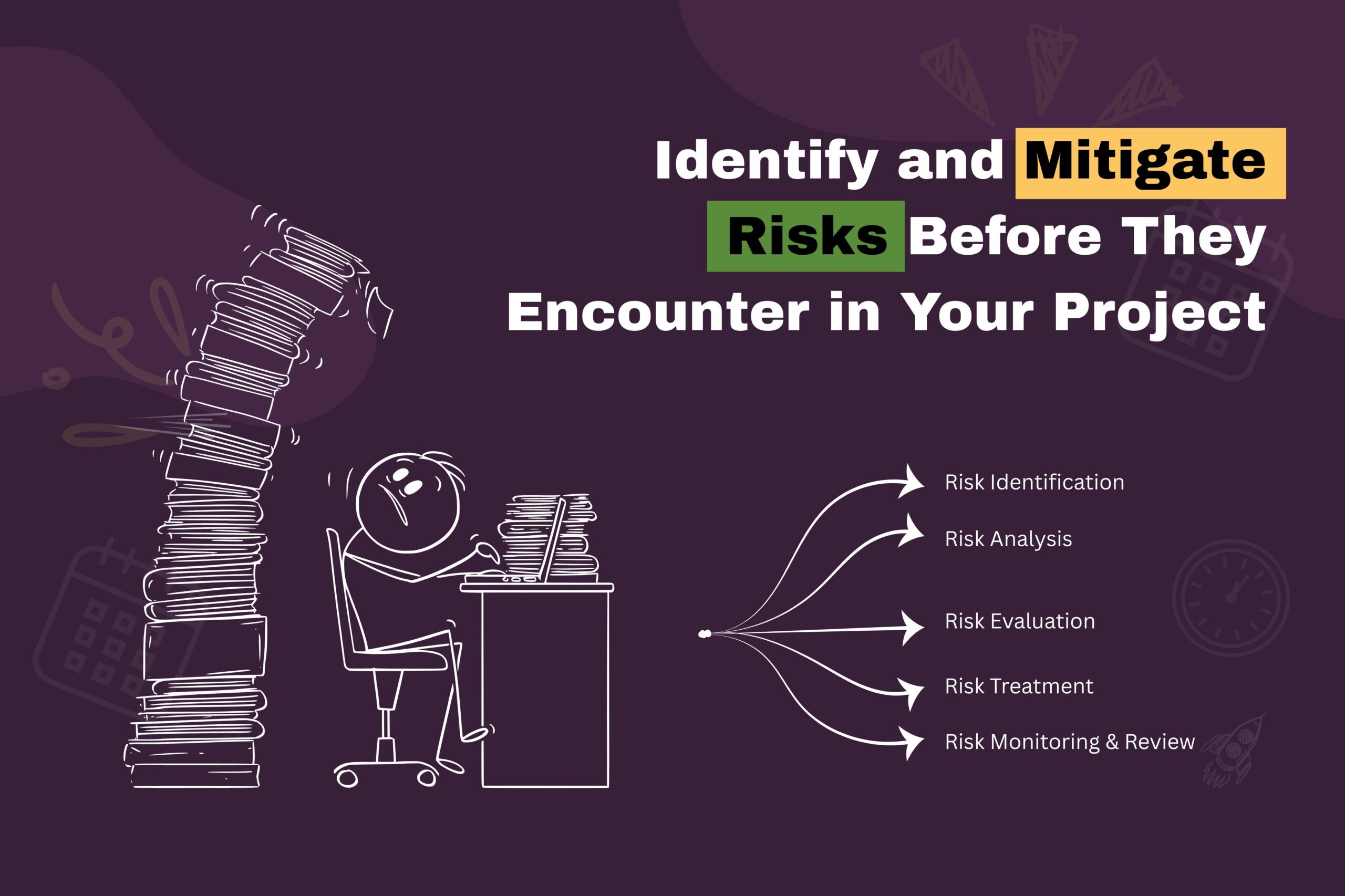
No project ever goes exactly as planned but that is okay. What matters most is having a strong plan in place that helps you bounce back quickly when things shift. A well-thought-out project plan isn’t just a list of tasks and deadlines. It’s your early alert system, something that helps you catch risks and spot issues before they become real problems.
Whether you are building an app, launching a marketing campaign, or putting together a large event, your project plan acts as a safety net. It’s the first tool you’ll turn to when uncertainty shows up. In this post, we’ll break down how a solid plan can help you spot and manage risks early, using real-world steps, practical examples, and simple techniques that work across different industries.
Why Risk Management Should Begin with the Plan
In many projects, risk management gets treated like a checkbox, something you do once during kickoff and then forget. But experienced project managers know better: if you want to stay ahead of risks, you have to build that mindset right into the planning phase.
Here’s what a strong project plan can do:
- Clarify Scope, Resources, and Timelines: When you lay everything out clearly, it’s easier to spot where things might not match up whether it’s an overbooked team or an unrealistic deadline.
- Highlight Dependencies: By mapping out how tasks connect, you can quickly see where one delay might cause a chain reaction.
- Surface Assumptions and Constraints: A good plan makes your working assumptions visible, giving you a chance to challenge or confirm them before they cause issues later.
- Set a Baseline for Monitoring: Once the project is in motion, your plan acts as the standard you compare against to spot new risks or signs that something’s going off-track.
How a Project Plan Helps You Stay Ahead of Risks
A project plan isn’t just a fancy timeline, it’s one of your best tools for spotting trouble before it hits. When used actively, it helps with ongoing risk monitoring in practical, everyday ways:
- Tracking the Schedule: Looking at what was planned vs. what is actually done can quickly show if you’re falling behind. The sooner you catch it, the easier it is to fix.
- Watching the Budget: Overspending can be a red flag. It might mean the project is growing beyond scope or that some part isn’t running efficiently.
- Keeping Issue Logs: Regularly updating issues tied to specific tasks gives you a clear picture of where things might be veering off course.
- Managing Changes: A solid change control process in the plan helps you judge whether a new request might open the door to new risks.
A Real-World Example: Rolling Out a Marketing Campaign
Let’s say your team is gearing up to launch a product campaign in just six weeks. Here’s how the project plan plays a role in identifying risks early.
Planned Timeline:
- Weeks 1–2: Design and finalize creative assets
- Week 3: Submit everything for legal review
- Weeks 3–4: Get ad platforms set up and ready
- Week 5: Go live
Risks Spotted Through the Plan:
- If legal gets materials late, approvals might not come through in time
- Ads could get flagged or rejected during platform reviews
- Feedback on creatives might take longer than expected
Built-In Mitigation Strategies:
- Send legal materials by Day 10 and leave a few extra days as a buffer
- Test ad specs early with mock content to avoid surprises
- Schedule feedback rounds in advance with the creative team
By being proactive in the planning phase, the team reduces last-minute fire drills and that makes the entire launch process a lot smoother.
Why Risk-Ready Planning Pays Off
When you think about risks while building the plan not just when things go wrong you get some real advantages:
- Fewer surprises as the project moves forward
- Stakeholders feel more confident in your process
- Issues can be handled faster and more calmly
- Better control over both scope and timelines
- Easier to explain what happened (and why) during post-project reviews
In short, a project plan isn’t just a schedule, it’s a smart safety net. When it’s thoughtfully put together, it helps you see problems coming before they have a chance to derail everything.